Quick answer
Pool-service cost depends on the pool, visit scope, service frequency, debris, chemistry, filter, equipment, access, and whether chemicals are included. The most useful comparison is a written scope, not a single monthly number.
Quick answer
Pool-service cost depends on the pool, visit scope, service frequency, debris, chemistry, filter, equipment, access, and whether chemicals are included. The most useful comparison is a written scope, not a single monthly number.
The exact response depends on the pool, equipment, water readings, weather, recent use, and service history. A local evaluation is more reliable than applying one rule to every pool.
Start with the service scope
A quote should identify what happens every visit, what happens periodically, and what is excluded. Weekly water testing, skimming, brushing, basket cleaning, and equipment observation are not always bundled the same way.
Ask whether vacuuming, filter cleaning, salt-cell service, specialty chemicals, storm cleanup, and repair diagnostics are included or billed separately.
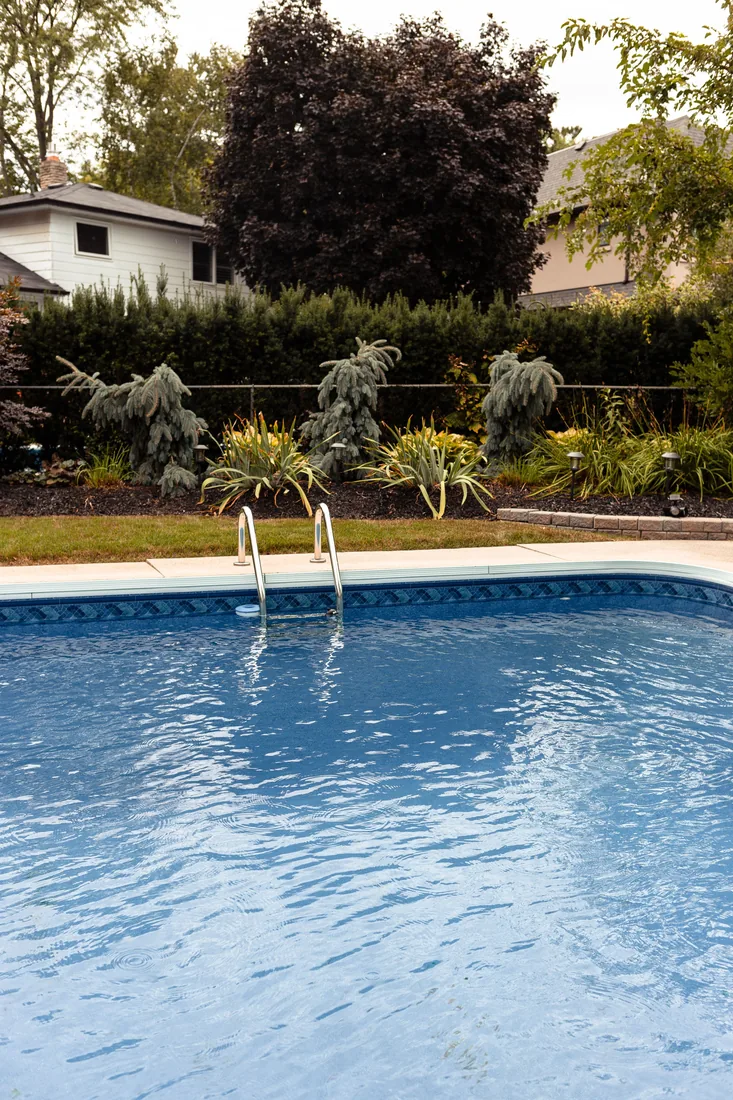
Pool size and condition matter
A larger pool usually requires more time and chemicals. A pool with heavy landscaping debris, an unscreened deck, frequent swimmer use, or recurring algae also requires more attention than a lightly used screened pool.
Condition at startup matters too. A clean, balanced pool can move directly into maintenance, while a neglected or green pool may need a separate recovery project first.
Weekly service is priced differently from one-time cleaning
Recurring service spreads routine work across predictable visits and allows trends to be noticed. A one-time cleaning may involve concentrated debris removal, chemistry correction, filter service, and no ongoing relationship.
Do not compare a one-time cleanup price directly with a monthly maintenance rate. The labor, risk, and follow-up are different.
Chemicals can be included or separate
Some plans include routine chemicals within normal use, while others bill products separately. Ask how specialty treatments, unusually high chlorine demand, salt, stabilizer, phosphate products, and green-pool recovery are handled.
A clear chemical policy protects you from surprise charges and protects the provider when weather or contamination creates unusual demand.
Filter care affects the real total
Cartridge, sand, and DE filters require different service. Some companies include periodic filter cleaning; others charge per service or expect the homeowner to handle it.
Ask how pressure is tracked, how often the filter is inspected, and what happens if elements, grids, valves, gauges, or media need replacement.

Equipment issues should be separated from routine care
Weekly maintenance may include visual equipment checks, but repairs, parts, electrical work, leak detection, and replacement are normally separate.
Confirm who is authorized to approve repairs and whether licensed specialists are used when Florida rules require them.
Vacation rentals and second homes need more communication
Rental properties may require photos, property-manager notifications, coordination around turnovers, and faster response to guest-related problems. Those services can affect pricing.
Absentee owners should define an emergency contact and spending-approval threshold so equipment or water issues are not delayed.
Price should reflect reliability and accountability
The cheapest quote is expensive if visits are missed, water is not tested, or problems are not reported. Evaluate communication, insurance, route consistency, and the written agreement.
Ask who will service the pool, how weather is handled, and what records are provided.
How to compare quotes fairly
Give each company the same pool information and ask for the same service categories. Compare frequency, tasks, chemicals, filter care, communication, repairs, and cancellation terms.
A transparent quote should make it possible to understand why prices differ rather than hiding everything behind one number.

Getting an accurate St. Augustine quote
Provide pool dimensions or estimated gallons, surface type, sanitation system, filter type, equipment photos, screen enclosure, landscaping, current condition, and address or ZIP code.
A site visit may be needed when the pool is green, equipment is unfamiliar, access is difficult, or the requested service includes repair work.
Homeowner checklist
Homeowner checklist
- Request a written list of routine visit tasks
- Ask whether standard chemicals are included
- Confirm filter-cleaning frequency and pricing
- Ask how storms and missed visits are handled
- Separate maintenance from repairs and parts
- Confirm communication and service-report options
- Verify licensing where repair scope requires it
Frequently asked questions
Questions pool owners often ask
Is weekly pool service worth it?
For homeowners who want consistent professional testing, cleaning, and equipment observation, weekly service can reduce the time and uncertainty of managing the pool alone.
Are pool chemicals included in monthly service?
Sometimes. The agreement should identify routine included chemicals and any products or unusual demand billed separately.
When should I call a pool professional?
Request help when water remains cloudy or green, circulation stops, equipment leaks or trips power, visibility is poor, or you are unsure how to handle chemicals safely.
References and further reading
Manufacturer instructions, product labels, current public-health guidance, and equipment manuals control the final service decision. These resources provide useful background.